

In the ever-evolving landscape of healthcare, maintaining patient care continuity is paramount. One crucial component is having a robust after-hours plan. However, many practices fall short in this area, risking patient safety, satisfaction, and overall operational efficiency.
The Risks of Not Having an After-Hours Plan
Without a strong after-hours strategy, practices can expose themselves to several critical issues. Emergency Room Overuse is one of the most immediate concerns. Patients without access to guidance during off-hours may turn to expensive emergency care for non-urgent issues, leading to unnecessary ER congestion and increased healthcare costs.
Patient Dissatisfaction is another significant risk. Modern patients expect timely attention to their health needs. Failure to provide after-hours support can lead to frustration as patients may feel abandoned, affecting their loyalty and overall perception of the practice.
Operational Challenges
Beyond patient-related concerns, the absence of an after-hours plan can impact the internal workings of a healthcare practice. Staff Burnout is a potential consequence. Without structured out-of-hours support, on-call physicians and staff may face overwhelming workloads, leading to burnout and reduced effectiveness.
Additionally, practices may struggle with Increased Call Volume during regular working hours. Calls spill over to the next day, burdening staff and potentially overwhelming the system. This can degrade the quality of care and extend patient wait times.
Nurse Triage: The Solution
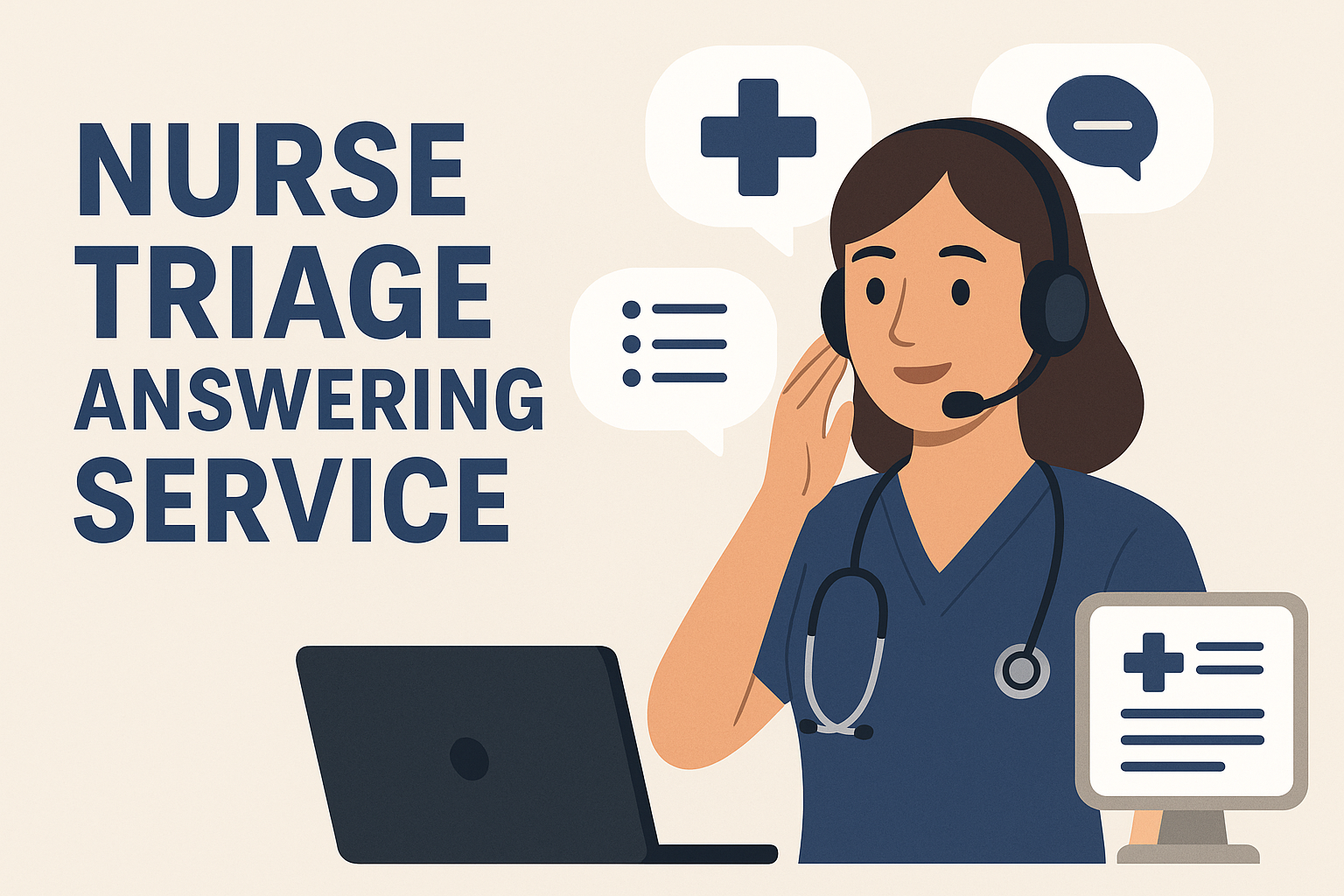
Implementing a robust after-hours nurse triage service, such as what Vital Triage offers, can effectively address these challenges. Nurse triage systems help divert non-emergent cases from emergency departments, directing patients to appropriate care levels based on assessed urgency.
Nurse triage also enhances patient experience by providing reassurance and guidance during critical moments, thus boosting satisfaction and retention. It serves to streamline operations by managing after-hours inquiries discreetly, reducing the burden on day-time staff.
Real-World Impact and Value
The implementation of after-hours nurse triage services exemplifies operational excellence, ensuring that practices deliver high-quality care around the clock. By reducing ER visits, practices not only lower costs but also improve patient outcomes by ensuring more appropriate use of healthcare resources.
Moreover, healthcare teams benefit from reduced burnout, improved morale, and greater focus, allowing them to deliver optimal care during regular hours.
Conclusion
For healthcare executives and practice managers, a strong after-hours plan using nurse triage services is not just about patient care—it’s a strategic move towards comprehensive, sustainable, and efficient practice operations. Embracing services like Vital Triage ensures practices meet patient needs effectively while safeguarding their teams and bottom line.