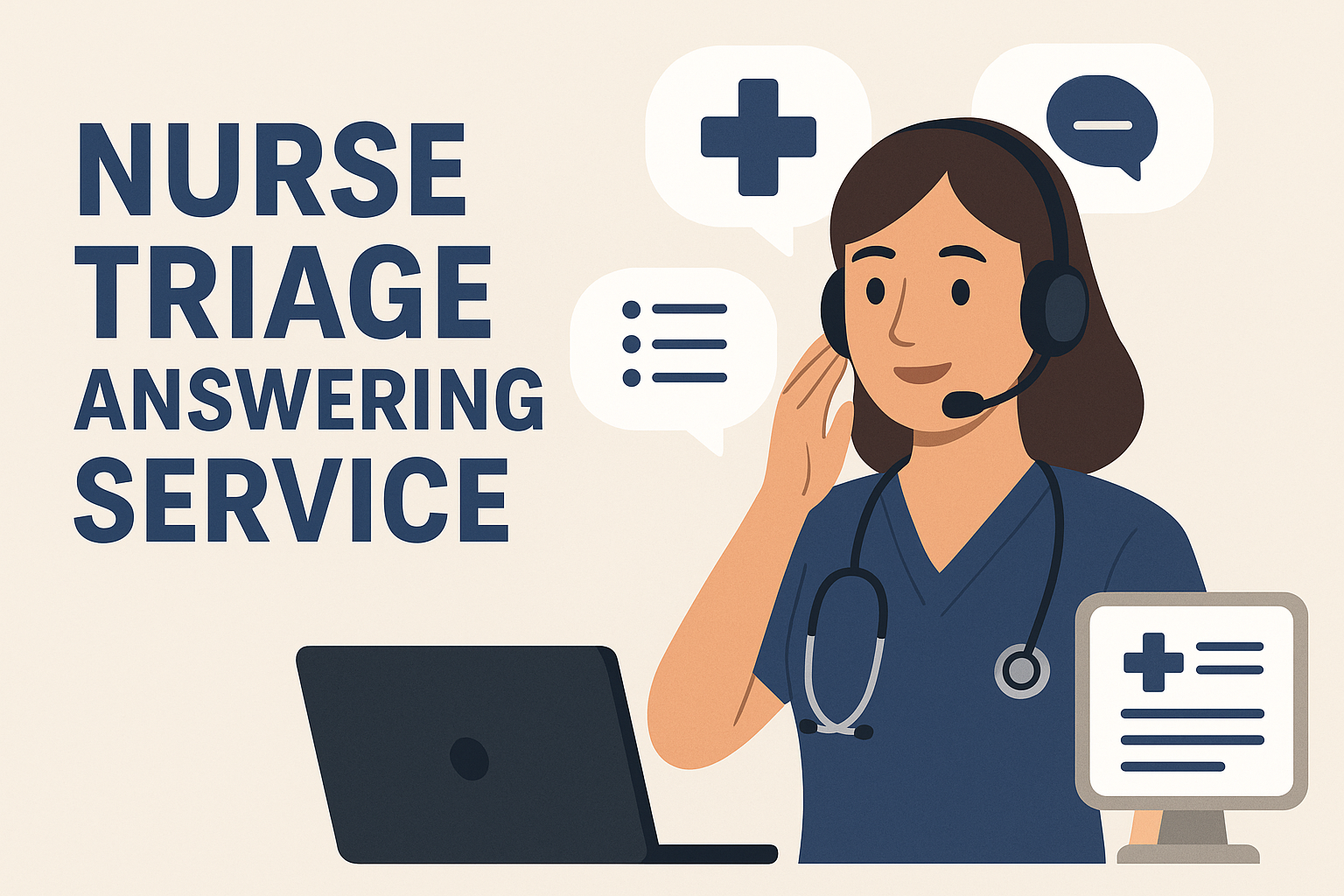

In recent years, healthcare practices have faced increasing pressure to deliver more with less. Physician burnout has emerged as a critical issue affecting the quality of care, patient safety, and physician well-being. However, nurse triage services are proving to be a valuable solution to alleviate this challenge.
Understanding Physician Burnout
Physician burnout is characterized by emotional exhaustion, depersonalization, and a reduced sense of personal accomplishment. It is often caused by long work hours, administrative burdens, and the ever-growing demand for patient care. According to a study by AMA, approximately 44% of physicians report experiencing burnout, highlighting the urgent need for effective solutions.
The Impact of Nurse Triage Services
Nurse triage services play a pivotal role in managing patient flow and reducing the workload on physicians. By allowing experienced nurses to handle initial patient interactions, practices can free up physicians to focus on more complex cases. This shift not only reduces the administrative burden but also helps maintain a balanced workload, essential for preventing burnout.
Enhancing Patient Care and Access
Nurse triage effectively directs patients to the appropriate level of care, reducing unnecessary ER visits and optimizing the use of healthcare resources. When patients are efficiently triaged based on their needs, physicians can concentrate on delivering high-quality care to those who need it most, ultimately improving patient satisfaction and outcomes.
Operational Efficiency and Cost Savings
By integrating nurse triage services, healthcare practices can enhance their operational efficiency. With streamlined processes, practices save time and resources, allowing for better allocation of staffing and financial investments. This methodology contributes to improved practice sustainability and physician job satisfaction.
Real-World Example
Consider a mid-sized healthcare practice that implemented nurse triage services from Vital Triage. Within a few months, the practice reported a 30% reduction in unnecessary ER visits and a significant decrease in physician workload. The reduced pressure led to enhanced physician morale, controlled burnout rates, and an overall improvement in workplace culture.
Conclusion
As healthcare entities seek solutions to combat physician burnout, nurse triage services provide a proven pathway to enhancing operational efficiency, improving patient care, and ensuring a healthier work environment. By investing in nurse triage, practices can support their physicians, maintain high standards of care, and achieve sustainable success.