
Introduction
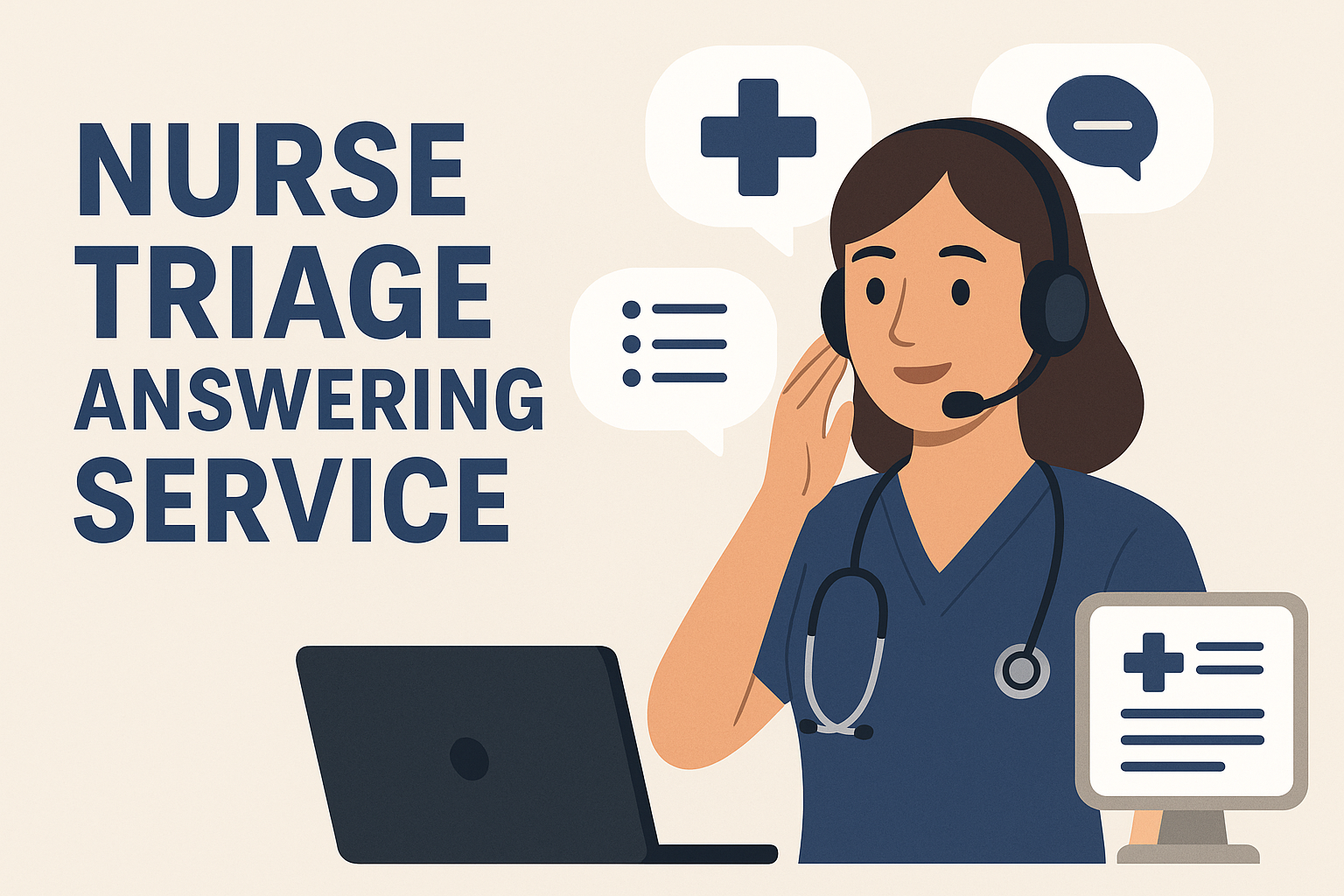
In the fast-paced world of healthcare, ensuring that patients receive the right care at the right time is paramount. Nurse triage services, such as those offered by VitalTriage.com, play a critical role in streamlining patient care and reducing unnecessary emergency room visits. However, the backbone of effective triage services lies in rigorous clinical oversight. This article explores why clinical oversight is crucial to successful nurse triage operations.
Enhancing Patient Safety
At the core of clinical oversight in triage is patient safety. Triage nurses are often the first point of contact for patients seeking medical advice. Effective oversight ensures that these nurses have the guidance and support they need to make accurate assessments. Regular training sessions, protocol reviews, and performance evaluations are just a few ways clinical oversight enhances patient safety by ensuring the highest standard of care.
Improving Decision-Making
Nurse triage involves complex decision-making. With clinical oversight, healthcare organizations can refine decision support systems, providing nurses with updated protocols that reflect the latest medical guidelines. Experienced clinical supervisors can offer nurses real-time guidance on challenging cases, resulting in better health outcomes and a more efficient referral process. This kind of structure ensures that patients are directed to the most appropriate level of care, saving time and resources for both the patient and the facility.
Reducing ER Visits
One of the significant advantages of robust clinical oversight is the reduction in unnecessary emergency room visits. With accurate triage assessments, patients are less likely to visit the ER for non-emergency conditions. This not only alleviates strain on hospital resources but also reduces patient costs and improves satisfaction. Oversight ensures adherence to evidence-based triage protocols, which are pivotal in achieving these outcomes.
Enhancing Team Collaboration
Clinical oversight also fosters a culture of teamwork and collaboration within healthcare organizations. By having a structured support system in place, nurses can communicate more effectively with physicians and other healthcare providers. This collaboration is essential for ensuring comprehensive patient care and seamless transitions between different care levels. As a result, nurse triage services become an integral part of the care continuum, rather than an isolated function.
Real-World Examples
Consider a healthcare system that implemented a new oversight program within its triage department. By integrating regular training and performance audits led by clinical supervisors, they achieved a 20% reduction in ER referrals for non-urgent cases within six months. Such tangible outcomes highlight the value of continuous oversight and adaptive management in maximizing the effectiveness of triage services.
Conclusion
Clinical oversight is not merely a regulatory requirement; it is an indispensable component of successful nurse triage operations. By prioritizing oversight, healthcare organizations can enhance patient safety, improve decision-making, reduce unnecessary ER visits, and foster a collaborative work environment. For those considering investing in triage services, choosing a provider like Vital Triage that emphasizes strong clinical oversight can lead to substantial improvements in patient care and operational efficiencies.