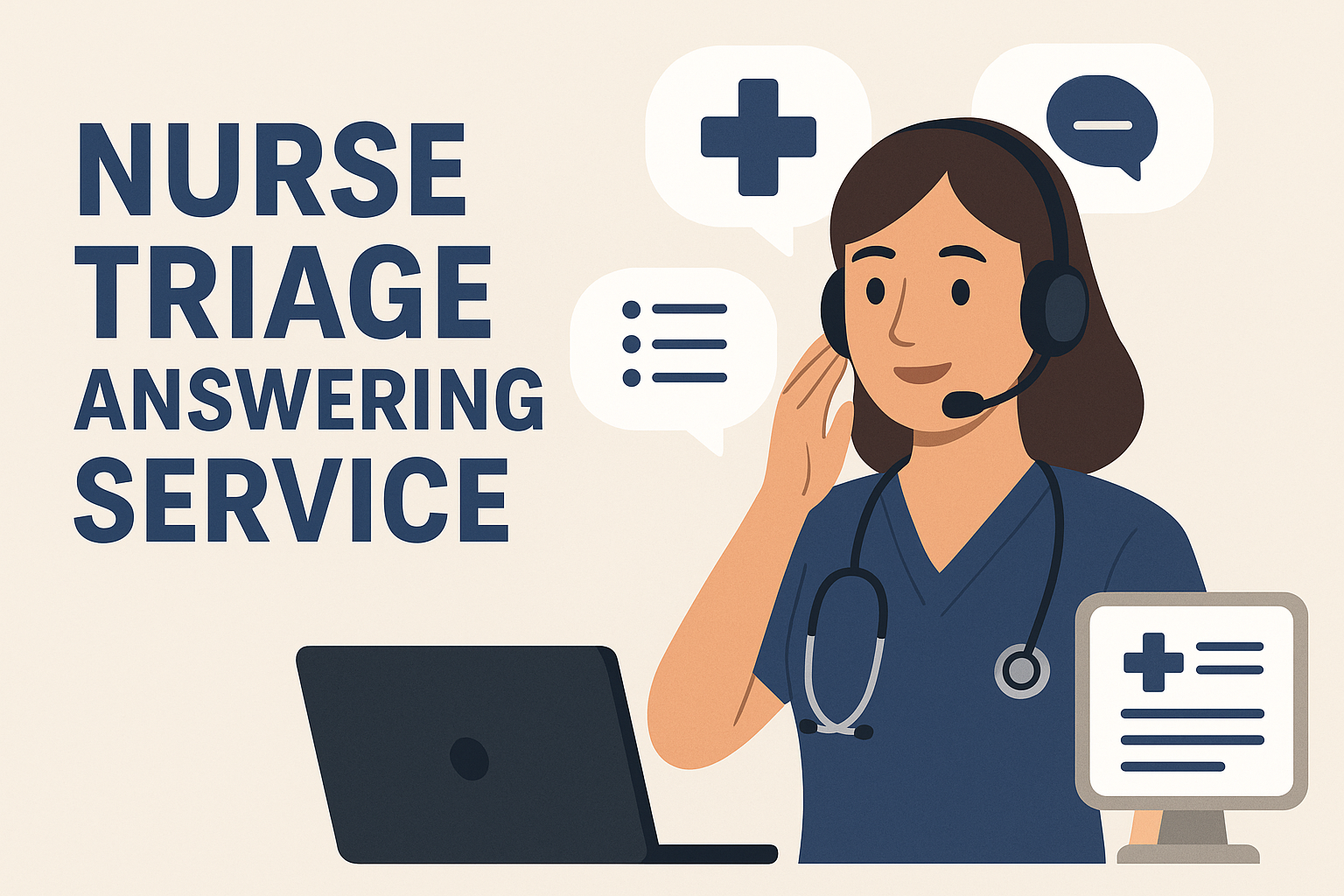

As healthcare systems evolve, the specialized role of telephone triage nursing is increasingly recognized for its pivotal role in ensuring patient safety, operational efficiency, and enhanced access to care. In a healthcare landscape where timely, accurate decision-making can have significant impacts, telephone triage nurses stand at the forefront, delivering expert advice over the phone to guide patients effectively.
The Critical Role of Telephone Triage Nurses
Telephone triage nursing is not just about answering calls; it’s a sophisticated nursing specialty that requires clinical expertise, excellent communication skills, and the ability to handle complex healthcare scenarios remotely. Nurses in this role assess patient needs, prioritize care, and provide guidance based on their evaluations—often in high-pressure situations.
Reducing ER Visits and Improving Patient Access
Nurses in telephone triage have the challenging yet rewarding task of determining the appropriate level of care for callers. By delivering precise recommendations, they help reduce unnecessary emergency room visits, thus easing the burden on healthcare facilities and improving patient access to necessary care. For healthcare organizations looking to streamline operations and cut costs, this reduction in ER traffic is a paramount benefit.
Enhancing the Patient Experience
In today’s patient-centered care models, the role of telephone triage nurses extends beyond triage. They play a critical part in enhancing the overall patient experience. By offering empathetic, clear, and reliable health advice, these nurses build trust and rapport with patients, ensuring that individuals feel heard and understood even during a phone call. This patient-first approach fosters greater satisfaction and, ultimately, better healthcare outcomes.
Supporting Healthcare Teams
Telephone triage nurses are an extension of the healthcare team, providing vital support that allows in-office staff to focus on direct patient care. They act as a bridge, ensuring seamless communication between patients and providers and assisting in coordination efforts that are integral to modern healthcare delivery.
Conclusion
The specialty of telephone triage nursing is indispensable in a rapidly changing healthcare environment. By effectively reducing ER visits, enhancing patient access and experience, and supporting healthcare teams, services like those offered by Vital Triage showcase the immense value of this nursing specialty. Embracing these services can lead to improved operational efficiency and patient satisfaction—critical elements in today’s healthcare strategies.