
In the contemporary healthcare landscape, differentiating between general information and clinical advice is crucial for healthcare providers and patients alike. Understanding these differences can improve patient outcomes, streamline operations, and ensure compliance with health standards.
Defining Information and Clinical Advice
Information refers to general knowledge that can be educational, such as how a disease progresses, its common symptoms, or general lifestyle recommendations. It does not include patient-specific guidance, and while informative, it leaves room for professional interpretation.
Clinical Advice, on the other hand, is personalized guidance given by qualified healthcare providers. This advice is tailored to a patient’s unique health status, medical history, and specific conditions, providing actionable steps that a patient should follow.
The Importance of Both in Healthcare
Both information and clinical advice play pivotal roles in patient care and healthcare delivery. Information empowers patients with knowledge about their health conditions, enabling them to engage more confidently in their care. Clinical advice ensures that this information is applied in a way that is safe and effective, addressing individual patient needs.
The Role of Nurse Triage in Bridging the Gap
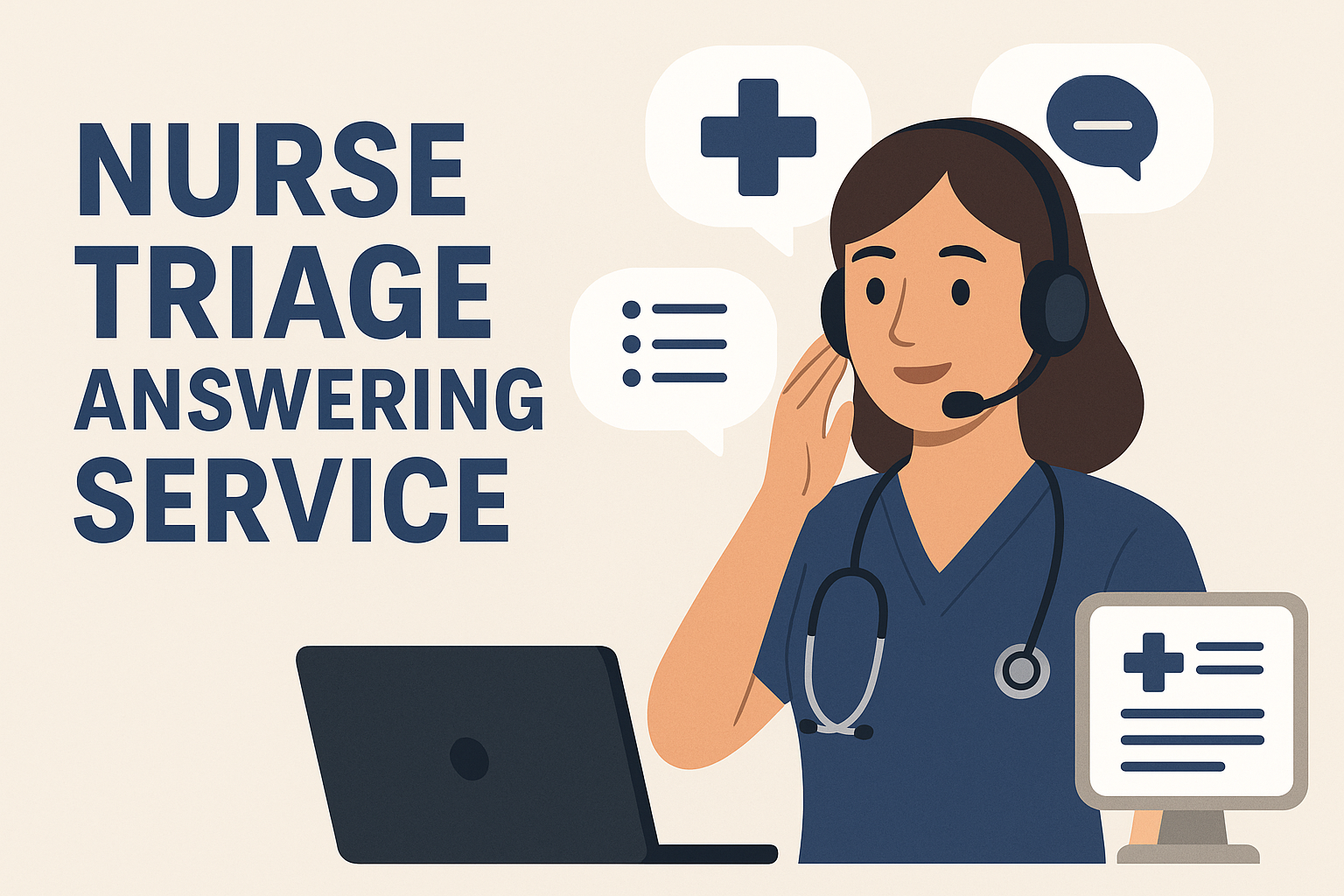
Nurse triage services, like those offered by Vital Triage, are instrumental in bridging the gap between information and clinical advice. Through professional assessment over the phone or online, triage nurses evaluate patient symptoms, provide essential health information, and determine the level of care needed. This helps in preventing unnecessary ER visits and directs patients to appropriate care settings.
Real-World Benefits of Nurse Triage
Consider a scenario where a patient experiences minor chest pain. Without proper guidance, this could result in a costly and unnecessary ER visit. However, a triage nurse can assess the patient’s symptoms and medical history contextually, offering advice that could result in a preventative visit to a primary care doctor or, in urgent cases, immediate emergency intervention.
Ensuring Ethical and Accurate Communication
One of the challenges that healthcare providers face is ensuring that their communication does not conflate information with clinical advice. Providers must remain vigilant in maintaining this distinction to uphold patient safety. Nurse triage services streamline this process by ensuring patients receive accurate advice, preventing miscommunication risks in critical situations.
Conclusion
Understanding and respecting the line between healthcare information and clinical advice not only enhances patient experience but also optimizes healthcare resources. Nurse triage plays a crucial role in this dynamic by effectively managing patient inquiries and guiding them towards appropriate medical care. Discover more about how Vital Triage can enhance your healthcare operation’s efficiency and patient satisfaction.