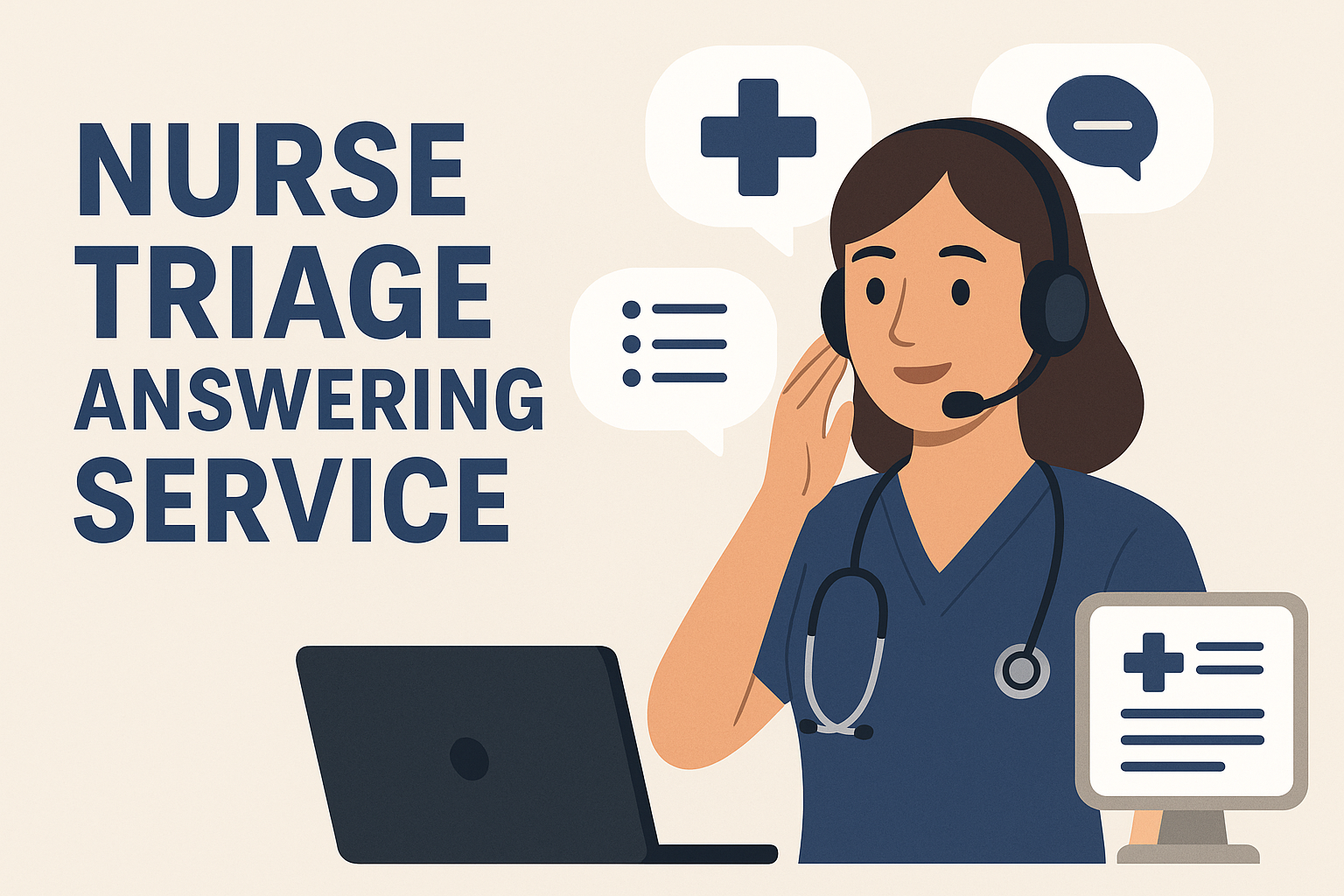

Nurse triage services transcend the notion of simply reading from a script. They play an essential role in enhancing patient care, reducing unnecessary emergency room visits, and ensuring effective communication between patients and healthcare providers. Understanding the nuances of triage overcomes misconceptions that it is merely a scripted interaction.
Understanding the Complexity of Triage
The term ‘triage’ often conjures images of checklists and scripts, but it involves a dynamic blend of critical thinking, experience, and patient-communication skills. Licensed nurses at services such as Vital Triage analyze the situation by listening to the patient’s symptoms, medical history, and their immediate needs to determine the most appropriate level of care. This nuance is critical because no two patient calls are the same, and scripts lack the adaptability needed for nuanced human judgment.
Enhancing Patient Experience
Patients often feel more comfortable when their concerns are heard by a real person who can empathize and provide tailored advice. Rather than relying on automated systems or strict scripts, experienced nurses offer reassurance, guidance, and thoughtful recommendations that improve the patient’s experience and trust in their healthcare provider.
Operational Efficiency and Cost Savings
While some organizations may be tempted to use automated scripts to reduce costs, the long-term financial benefits of nurse-led triage are significant. Through precise assessments, triage nurses can prevent unnecessary ER visits, directing patients to more appropriate and cost-effective care settings, which can ultimately lower overall healthcare spending.
Supporting Healthcare Teams
Nurse triage services provide indispensable support to healthcare teams by acting as an extension of clinical services, available 24/7. This continuous support helps bridge gaps in coverage, ensures continuity of care, and alleviates the workload on in-house staff, allowing them to focus on more complex patient needs.
Real-World Applications
Consider a scenario where a patient calls at night with symptoms of a headache and nausea. Instead of reading from a set protocol, a triage nurse evaluates the onset, duration, and intensity, cross-references their medical history, and decides on the urgency of in-person care versus at-home remedies. Such personalized care models repair gaps that scripts could overlook, enhancing both safety and patient satisfaction.
In conclusion, nurse triage services like those provided by Vital Triage represent a sophisticated, patient-centered approach that exceeds the limitations of script reading. They are vital to improving patient outcomes, reducing unnecessary healthcare spending, and supporting healthcare teams in their operations.