
Introduction
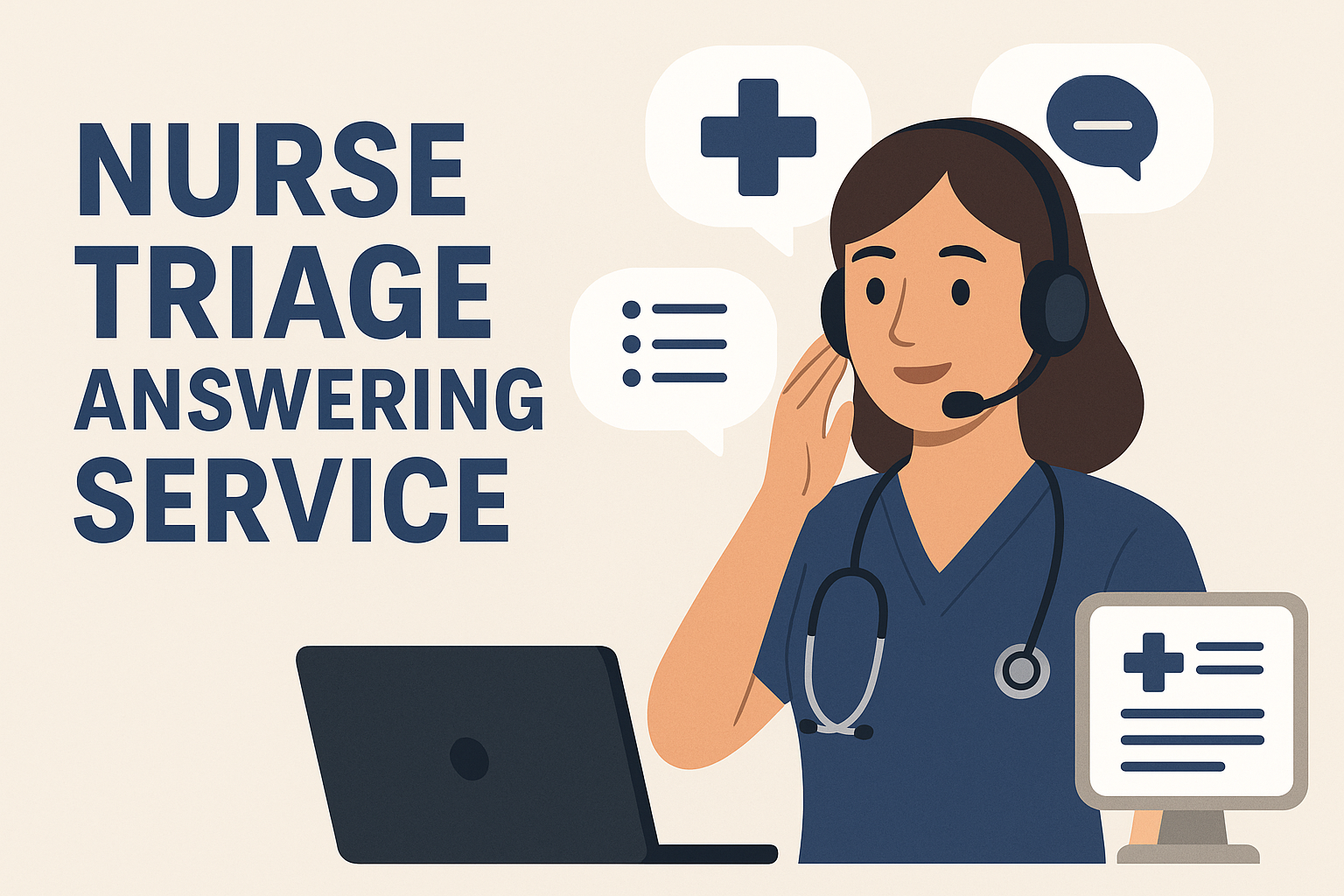
In the complex world of healthcare, clinical judgment is a critical component that shapes safe and effective triage decisions. Nurse triage services, such as those offered by Vital Triage, leverage clinical expertise to ensure that patients receive the right level of care at the right time. This not only improves patient outcomes but also optimizes healthcare operations, reduces unnecessary visits to the emergency room, and supports overburdened healthcare teams.
What is Clinical Judgment?
Clinical judgment refers to the process that healthcare professionals use to assess a patient’s condition and decide on the best course of action. This involves synthesizing patient data, considering potential interventions, and making informed decisions. Experienced nurses apply clinical judgment continuously throughout the triage process, balancing multiple factors such as symptom presentation, medical history, and risk levels.
The Role of Clinical Judgment in Triage
Effective triage decisions hinge upon accurate clinical judgment. In high-stress environments where time is of the essence, nurses draw upon their experience and knowledge to prioritize care accurately. This capability is crucial for risk stratification, ensuring that patients with severe conditions receive immediate attention while others are directed to appropriate levels of care. By minimizing misclassification of patient urgency, clinical judgment enhances patient safety and care efficiency.
Reducing ER Visits and Increasing Access to Care
When nurse triage services employ sound clinical judgment, the result is a streamlined care process that can significantly reduce unnecessary emergency room visits. Many conditions can be effectively managed in non-emergency settings, and triage services help patients understand when these alternatives are appropriate. This reallocation not only saves costs but also improves access to care for those who genuinely need emergency medical attention.
Improving Patient Satisfaction
Patients value timely and accurate information to make informed health decisions. Triage services that provide clear guidance, enhance access to appropriate care, and alleviate anxiety contribute greatly to patient satisfaction. By fostering a more personalized approach, clinical judgment ensures that healthcare advice is tailored to the individual’s specific circumstances, enhancing the overall patient experience.
Operational Insights and Benefits
By integrating clinical judgment in triage, healthcare organizations can optimize their operations. For example, redirecting non-critical cases away from the ER can free up resources for severe cases, improving service delivery times and reducing strain on clinical staff. Additionally, accurate triage helps minimize liability risks associated with misdiagnosis or delayed treatments.
Case Study: Implementation in a Healthcare Facility
Consider a midsize hospital that implemented licensed nurse triage services through Vital Triage. They reported a 30% reduction in ER visits within six months, showcasing how clinical judgment effectively distinguishes non-emergency concerns. In tandem, the hospital experienced improved patient satisfaction scores as individuals received timely and suitable care recommendations.
Conclusion
Clinical judgment is indispensable in shaping safe triage decisions that positively impact both healthcare operations and patient outcomes. By integrating experienced nurse triage services, healthcare providers can ensure that care is efficient, responsive, and centered around patient needs. Explore how Vital Triage can elevate your healthcare facility’s patient management systems.